
Augusta has adopted a new, statewide minimum teacher salary that it plans to fund by adding an additional subsidy to school districts.
The recently-passed 2026 supplemental budget sets this new salary for certified teachers, as well as career and technical education teachers. Beginning in the 2027-28 school year, the new minimum will be $45,000, rise to $47,500 in 2028-29, and reach $50,000 in 2029-30, where it will remain.
At a time when Maine homeowners are struggling with rising property taxes, it is unconscionable to pass another centralized mandate that raises the cost of education, especially considering education is the largest single use of property tax dollars for most municipalities.
Additionally, while any reasonable person would agree that teachers should be compensated competitively for their work, decisions about compensation are better made locally by the school boards and local taxpayers who know that area best.
If the state government has additional resources to earmark for education, lawmakers should prioritize using those funds to reduce the amount local taxpayers are required to raise, rather than attaching those dollars to another statewide spending mandate.
Furthermore, any additional state aid should be paired with spending restraint and safeguards ensuring it actually lowers local property tax commitments, rather than simply financing higher government spending.
Property Taxes, Education Spending, and Competing Priorities
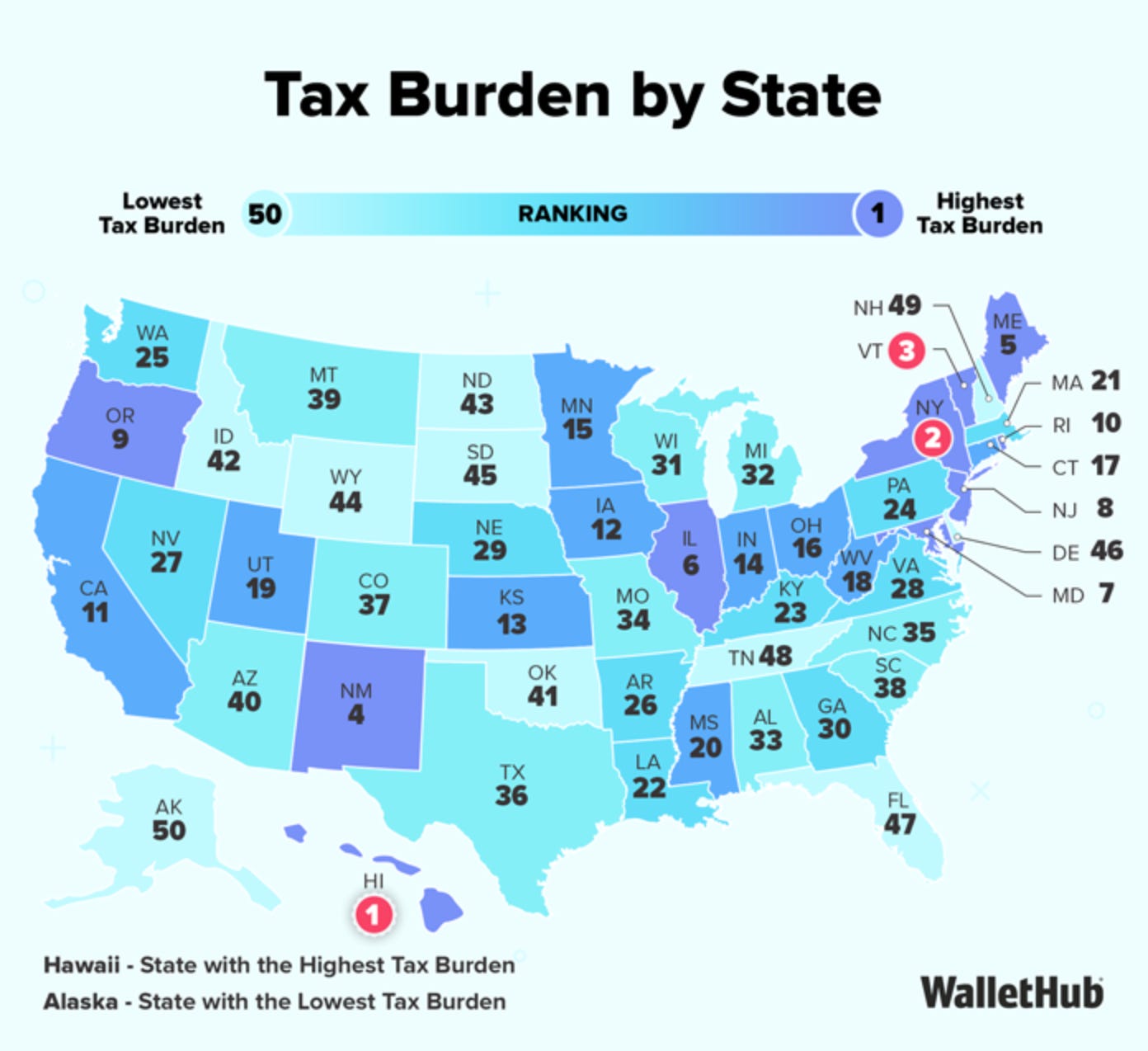
Property taxes are among the most persistent affordability problems for Maine homeowners. As the Legislature’s Real Estate Property Tax Relief Task Force discovered and noted in its interim report this year, rising housing costs only compound the problem of rising property tax bills for many Mainers.
Also relevant, the report noted, is the state’s “extremely high” ranking for property tax burden, coming in fifth place nationally, with property taxes absorbing an outsized share of state personal income. Not surprisingly, property taxes provide more than half of local general revenue in Maine.
So, at the same time Augusta is acknowledging the property tax problem and searching for ways to make them more affordable, lawmakers are now on record approving a major new education spending mandate.
The question is not whether teachers deserve good salaries — they do — nor whether there are good reasons to need better pay to attract qualified teachers, which there are. Rather, the policy question is merely whether the decision about teachers’ salaries is best made in Augusta by politicians, or by local communities who know their own needs best.
Education and Property Taxes Are Closely Connected

The work of the Real Estate Property Tax Relief Task Force established that school spending is, for many Maine municipalities, the largest ongoing cost supported by property taxes.
The task force also acknowledged in its January 2026 report “the significant weight that educational funding places on property taxpayers and understands the degree to which costs of education and property tax relief are related.” The exact number depends greatly on the municipality, but the Maine Municipal Association established that as of 2016, roughly 68 percent of property taxes were dedicated to funding education in Maine communities. That average has presumably declined slightly since 2016 as the state has increased its share of education funding.
Current state funding figures show that for fiscal year 2026-27, $1.29 billion — almost all of which comes from property taxes — is required to be raised by local municipalities in order to pay their share of education spending. This is because the Essential Programs and Services (EPS) funding formula sets a statewide target of roughly 55 percent of EPS costs funded by the state, with the remaining 45 percent coming from the required local contribution.
The bottom line is that billions of dollars in school spending remain directly connected to local taxpayers. So when Augusta discusses property tax relief on one hand and education spending on the other, it is not as if the two topics don’t overlap. They do.
What the New Law Does, and the Illusion of “Free” Education Aid

The new law does allow qualifying municipalities to avoid the cost of the new minimum salary requirements.
Beginning in fiscal year 2027-28, and each year after, the state will increase funding to qualifying school administrative units by the amount needed to cover the new minimum salary requirements. The statewide cost of the new mandate is currently unknown from the enacted budget, as the mandate will not take effect in fiscal year 2026-27. State funding for this mandate will be based on the teacher data that is submitted and certified by school administrative units as of October 1, 2026.
Supporters of the salary requirement can reasonably respond that if the state is providing the additional subsidy, local property taxpayers are not being asked to directly finance the required increase. That is better than imposing an entirely unfunded mandate. But it does not make the policy free.
State money and local money ultimately come from the same people, the taxpayers. A dollar appropriated in Augusta still has to come from somewhere, whether through income taxes, sales taxes, or other state revenues.
Augusta has already relied on one-time funds and higher taxes to support growing state spending, while homeowners across Maine are simultaneously being squeezed by rising property tax bills. That is hardly evidence that the state has excess money available for another permanent spending mandate. But even if lawmakers did have additional resources to devote to education, they still face a choice about what those dollars accomplish.
Maine taxpayers are making it clear at every level of government that they are struggling with rising property taxes. Lawmakers should listen to those concerns instead of continuing to grow government spending and impose new mandates on decisions that are better made locally. If lawmakers were determined to spend this additional, still-unknown amount on education, they should have used the money to increase the state’s share of education costs and required towns to use those savings to reduce property taxes.
Instead of doing that, though, they pushed another costly mandate centered on salary — something that should inherently be a local decision.
The labor market varies widely across Maine, and it’s entirely reasonable for districts to pay their public school teachers differently in accordance with factors like enrollment, cost of living, available workforce, etc. There are places where a school district simply can’t attract math teachers unless it offers them significantly more than a district that has a low cost of living and relatively easy time maintaining its teaching staff.
Conclusion
In short, communities should be free to make their own decisions about what they can afford. They should also be able to make their own decisions about how they spend their money, which includes the tradeoff between aggressive salary schedules and other education needs, and/or other community-wide priorities.
Under the approach currently being pursued by lawmakers, decisions about teacher salaries have been taken out of the hands of local school boards, administrators, and taxpayers, and inserted into a statewide mandate.
Ultimately, the money to pay for education comes from two primary sources: state taxpayers or local taxpayers. State government can pull the rug out from under local control by mandating spending and then addressing the tab on the state side of the ledger. But either way, the money comes from taxpayers.
Given Maine’s current budget pressures and the tax increases lawmakers have already turned to in order to sustain higher spending, the better course would have been not to create another permanent state mandate at all. But if Augusta was determined to spend additional money on public education, those dollars should have been used to ease the tax burden already falling on Maine homeowners by increasing the state’s share of education costs and requiring the savings to flow through to property tax relief.
Instead, lawmakers chose to spend more while taking another decision away from local communities. This does little to address Maine’s affordability problem, and leaves taxpayers paying more for a system over which they have even less control.
Subscribe to Maine Policy Institute on Substack to get articles like this delivered straight to your email inbox.