By 2026 Maine Policy Institute Public Policy Intern Andrew Cook
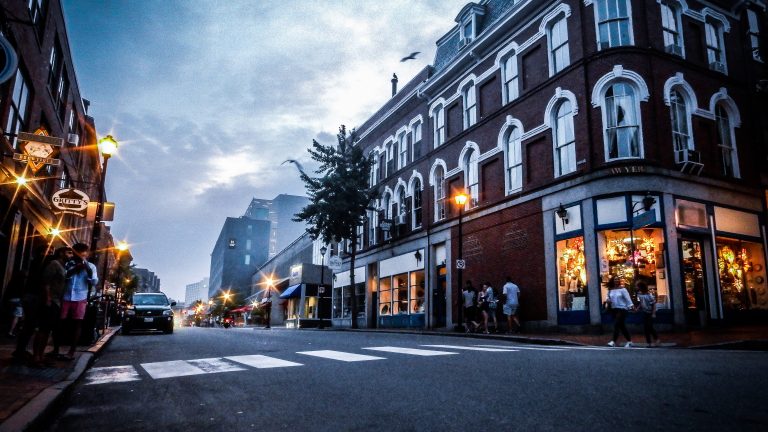
Portland’s downtown should be one of the easiest places in Maine to open a restaurant, bar, music venue, or other nightlife business. It is compact, walkable, and already attracts the customers these businesses need. At a time when Portland’s storefronts are sitting empty, the city should be encouraging new businesses, but instead, City Hall requires business owners to navigate a maze of restrictions and permitting requirements before opening.
Under the city’s Downtown Entertainment Overlay, a business generally cannot obtain an entertainment license if it is located within 100 feet of another entertainment-licensed establishment.
The rule dates to the 1990s and was retained when Portland created its downtown entertainment overlay zone in 2007. According to the Portland Press Herald, city officials say it was intended to prevent an over-concentration of nightlife establishments and address concerns about noise, disorder, and fights associated with Old Port bars closing for the night.
Cocktail Mary owner Isaac MacDougal recently experienced these consequences firsthand. Earlier this year, MacDougal moved the business to 30 Market Street, a larger space that had already been built out for a bar and nightclub. He reportedly did not learn until after signing the lease that Cocktail Mary could not receive an entertainment license because another licensed establishment operates nearby. Cocktail Mary had DJs and events planned for the summer. The business was not accused of excessive noise, violence, or misconduct.
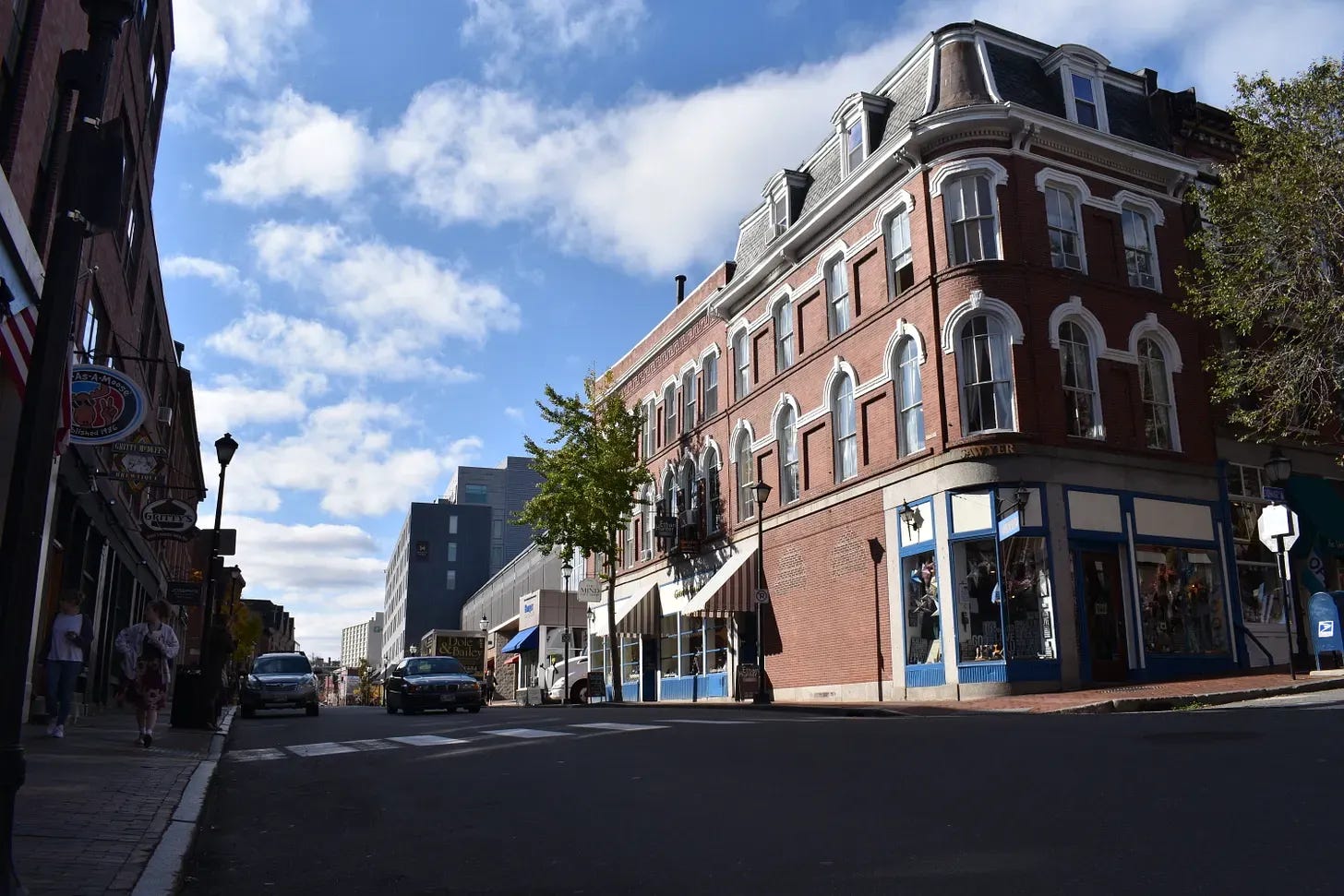
Creative Portland ran into the same barrier while organizing its “Third Wednesdays” events. The organization wanted bands to perform in a plaza at 511 Congress Street and had reportedly secured support from nearby businesses. Despite that support, the city said the performances could not go forward because of the buffer.
After hearing from business owners and arts advocates, Portland’s Housing and Economic Development Committee has finally forwarded a proposal to remove the restriction to the Planning Board. The board is expected to hold a workshop and public hearing before sending a recommendation to the City Council.
This recommendation is long overdue, and the council should absolutely repeal the rule.
Portland already has excessive regulations, capacity limits, inspections, and an entertainment-licensing process. If an establishment repeatedly generates excessive noise, tolerates violence, or fails to control its customers, the city can take action against that establishment.
The 100-foot rule does something very different. Rather than punishing misconduct, it presumes that businesses will create a problem based solely on the distance to another establishment.
This is the central flaw in Portland’s approach to regulation. Instead of focusing on measurable harm, the city often relies on preventive restrictions that make private investment more difficult whether or not the regulated activity causes a problem.
Portland’s Broader Business Climate
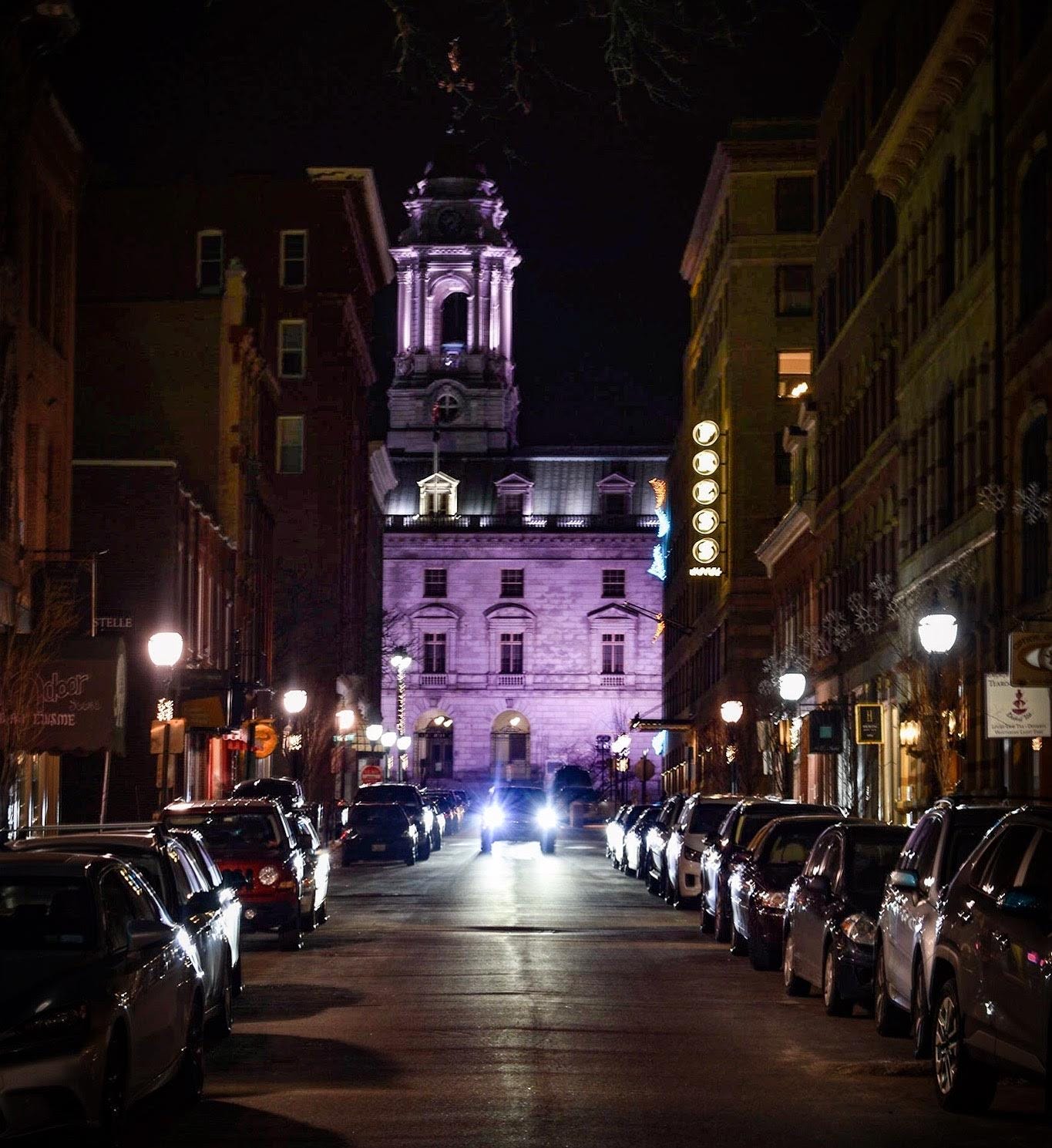
Portland’s poor business climate is not due to a single 100-foot rule; it’s a broader regulatory environment that suppresses entrepreneurs. Arizona State University’s 2022 Doing Business North America report ranked Portland 71st out of 83 cities for overall ease of doing business and 65th for starting a business. The report evaluated the regulatory environment facing small- and medium-sized businesses using indicators covering business formation, employment, electricity, land use, taxes, and insolvency.
Businesses experience city regulations cumulatively. A new operator may face zoning requirements like the 100-foot rule, business licensing, an entertainment license, inspections, fees, sound rules, and additional approvals before opening. Each requirement may appear relatively minor when considered independently. But together, they create costs, delays, and uncertainty that can make an otherwise viable project impossible.
Complex regulations also tend to favor established businesses. Older venues may be protected through exemptions or prior approvals, while new competitors face restrictions that did not apply when the incumbent opened. An existing entertainment license can effectively prevent another nearby establishment from competing for performers and customers.
The same regulatory instinct can be seen in Portland’s housing policies. Under the city’s current inclusionary-zoning mandate, residential developments of 10 or more units generally must either designate 25% of their units as affordable to households earning 80% of the area median income or pay a substantial fee. A recent Maine Policy Institute analysis of a city-commissioned study concluded that these requirements have made housing projects more expensive and more difficult to finance. Housing and nightlife may appear to be separate issues, but the underlying policy philosophy is the same.
Portland identifies a legitimate concern, housing affordability in one case and public safety in the other, and imposes costs on the businesses or developers needed to address it. When less housing is built, or usable commercial space remains dark, city officials respond with further studies, programs, and regulations rather than reconsidering the barriers they created.
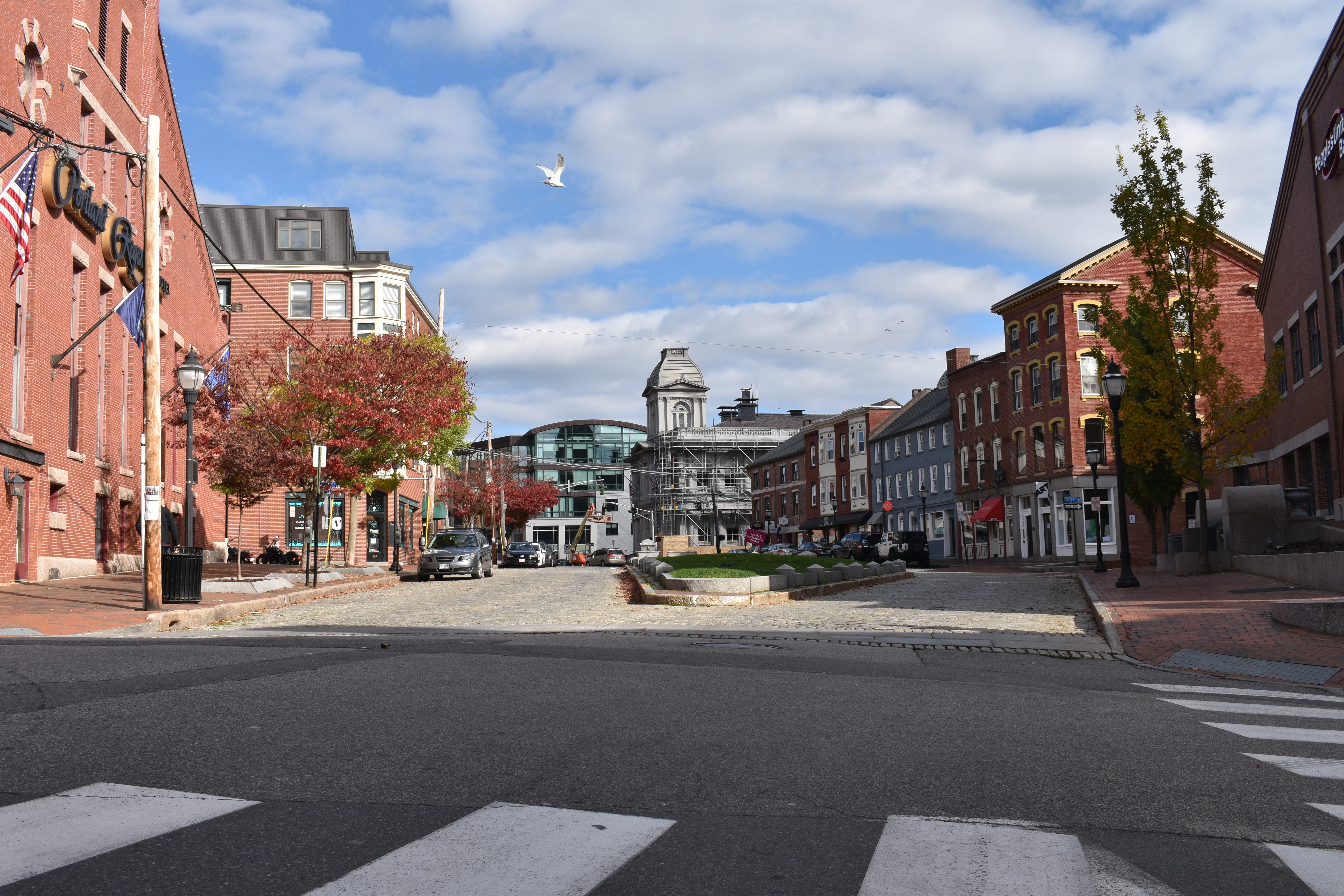
Portland cannot regulate affordability into existence by making housing prohibitively expensive to build. Similarly, it cannot create a lively downtown while preventing nearby businesses from hosting entertainment.
Restaurants, bars, theaters, galleries, and music venues benefit from locating near one another. A person may eat dinner, attend a performance, and visit another establishment afterward. Each business generates foot traffic for the others. This clustering is one of the primary advantages of a downtown.
Supporters of the buffer may argue that additional entertainment venues could generate noise and create more work for an understaffed police department. Those concerns should not be dismissed, but they should be addressed directly through sound enforcement, capacity rules, and penalties against establishments that repeatedly cause disturbances.
Repealing the buffer rule should be the beginning of a broader review of Portland’s business regulations. The city should identify and remove outdated, ineffective regulations, duplicative approval processes, and requirements that increase the city’s costs.
The business dispersal requirement keeps usable spaces quiet, protects incumbents from competition, and substitutes arbitrary geography for evidence. Its repeal would help Portland’s nightlife, but the greater significance lies in what it could signal about the city’s regulatory direction.
A city that wants more housing, occupied storefronts, and successful local businesses must stop placing unnecessary barriers in front of the people willing to create them. Scrapping the 100-foot rule will not fix everything, but it is a long-overdue step toward making Portland a city that welcomes new businesses.